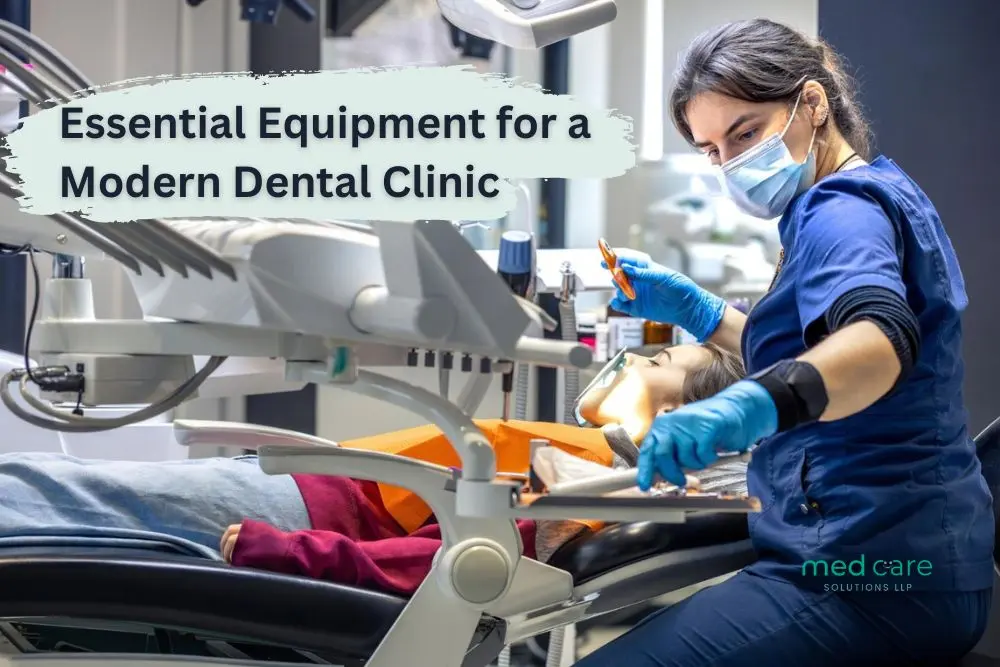
Dental Clinic Equipment List: Essential Equipment for a Modern Dental Clinic
Dental Clinic Equipment List: Essential Equipment for a Modern Dental Clinic
Dental Clinic Equipment List: Essential Equipment for a Modern Dental Clinic
Setting up a dental clinic requires more than just a dental chair and basic instruments. A well-equipped dental clinic needs a combination of patient-care equipment, diagnostic devices, sterilisation systems, dental instruments, and supporting equipment to provide safe and efficient treatment.
Whether you are opening a new dental clinic, upgrading an existing facility, or expanding your dental practice, having a clear dental clinic equipment list can help you plan your requirements and budget effectively.
In this guide, we cover the essential equipment commonly required for a modern dental clinic and explain the purpose of each category.
Why Is the Right Dental Equipment Important?
The right dental equipment helps dentists perform examinations, diagnosis, treatment, sterilisation, and routine procedures efficiently. Good-quality equipment can also improve patient comfort, workflow, infection control, and overall clinical safety.
Before purchasing equipment, dental clinics should consider factors such as:
Type of dental treatments provided
Size and layout of the clinic
Number of dental chairs
Patient volume
Available budget
Equipment quality and durability
Maintenance and after-sales support
Availability of spare parts and servicing
Dental Clinic Equipment List
The exact equipment requirements can vary depending on the services offered by a dental practice. However, the following are some of the important categories to consider when setting up a dental clinic.
1. Dental Chair
A dental chair is one of the most important pieces of equipment in a dental clinic. It provides appropriate positioning and support for patients during examinations and dental procedures.
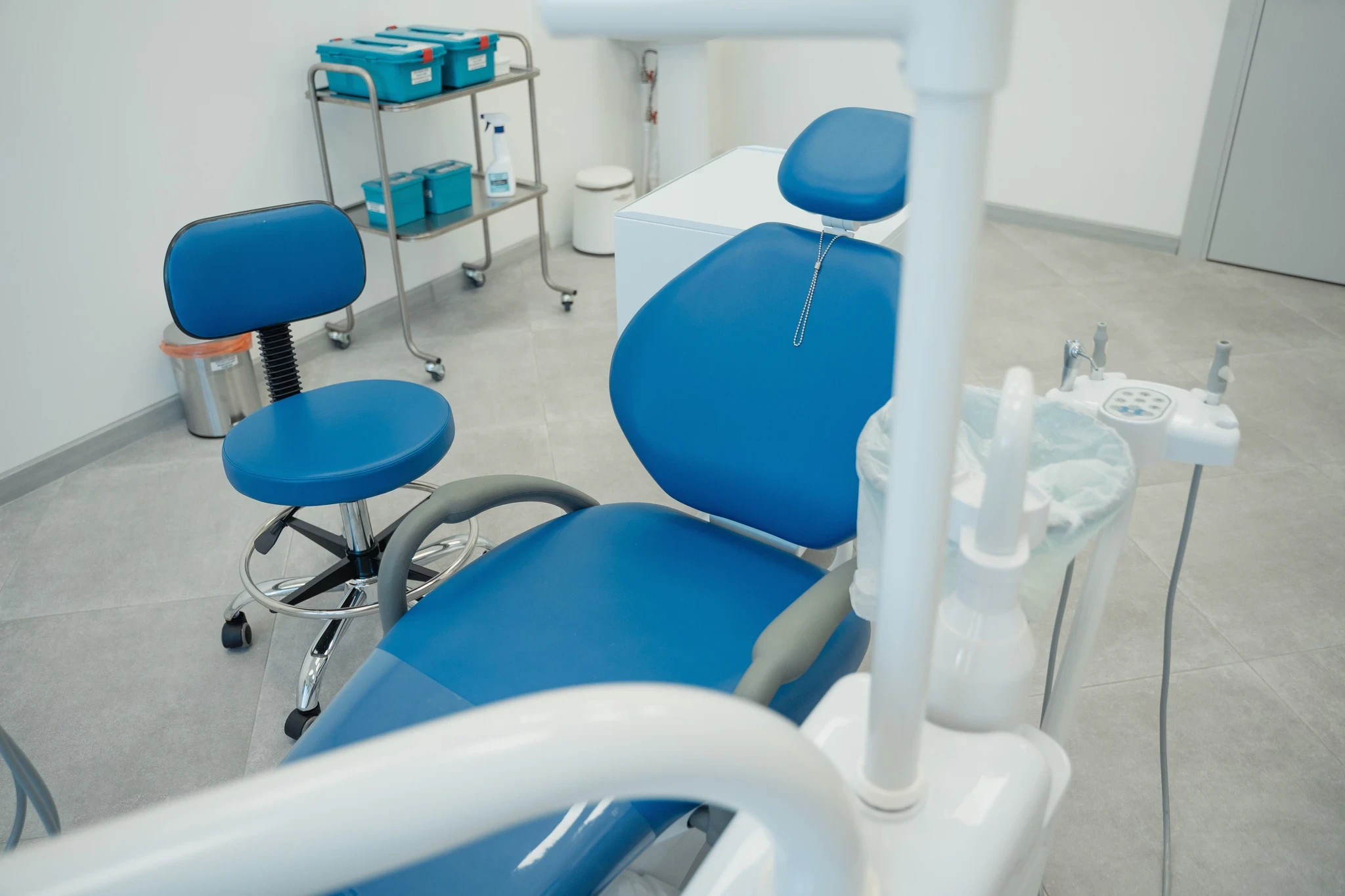
Modern dental chairs may include adjustable positioning, integrated controls, operating lights, instrument trays, and other features designed to improve the dentist's workflow.
When selecting a dental chair, consider:
Patient comfort
Adjustable positioning
Weight capacity
Chair movement and controls
Integrated dental unit features
Ease of cleaning
Durability
2. Dental Delivery Unit
A dental delivery unit provides convenient access to instruments and other equipment used during dental procedures. Depending on the model, it may incorporate handpiece connections, water supply, air supply, controls, and instrument holders.

A well-designed delivery system can help dentists and assistants maintain an organised workflow.
3. Dental Operating Light
Proper illumination is essential for dental examinations and procedures. Dental operating lights provide focused lighting of the oral cavity while helping the dentist work with greater visibility.

Important considerations include brightness, adjustability, positioning, and ease of cleaning.
4. Dental Air Compressor
Dental air compressors supply compressed air to equipment such as dental handpieces and other air-operated devices.

A dental compressor should provide an appropriate and reliable air supply for the clinic's equipment. Oil-free compressors are commonly considered for dental applications where clean compressed air is required.
5. Dental Suction System
A dental suction system helps remove saliva, fluids, debris, and other materials from the patient's mouth during treatment.
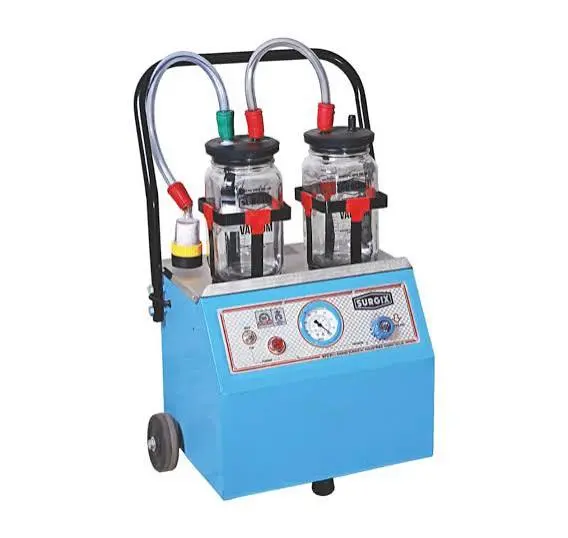
Common suction equipment includes saliva ejectors and high-volume evacuation systems. An appropriate suction system can improve visibility and help maintain a cleaner working environment.
6. Autoclave
An autoclave is essential for sterilising reusable dental instruments. It uses pressurised steam at controlled temperatures to sterilise instruments and reduce the risk of cross-contamination.
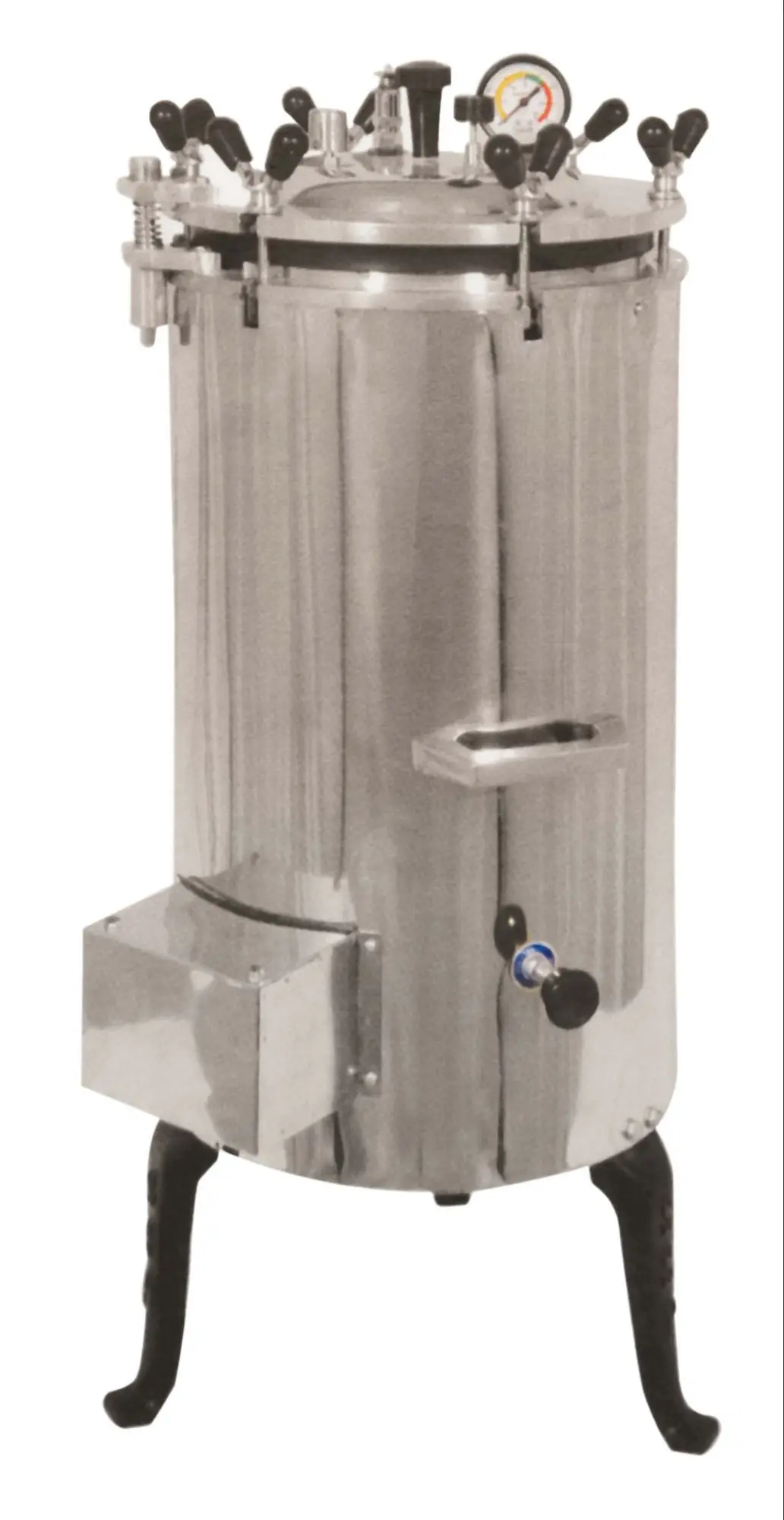
When choosing an autoclave, dental clinics should consider:
Chamber capacity
Sterilisation cycles
Drying function
Safety features
Ease of operation
Maintenance requirements
7. Ultrasonic Cleaner
An ultrasonic cleaner can be used as part of the instrument cleaning process before sterilisation. It uses ultrasonic energy to help remove debris from instruments, including areas that can be difficult to clean manually.
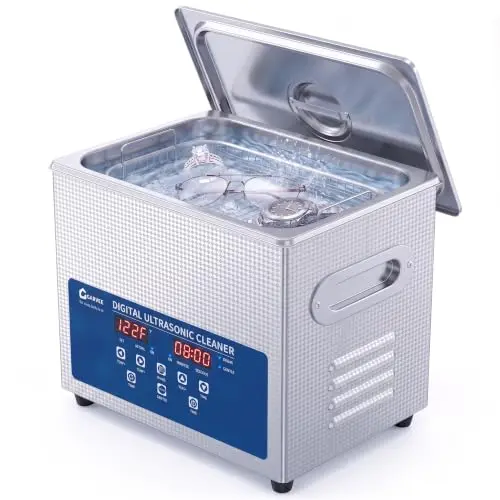
It can be a useful addition to a dental clinic's instrument-processing workflow.
8. Dental X-Ray Equipment
Dental X-ray equipment is used to obtain images that help dentists evaluate teeth, roots, surrounding structures, and other oral conditions.
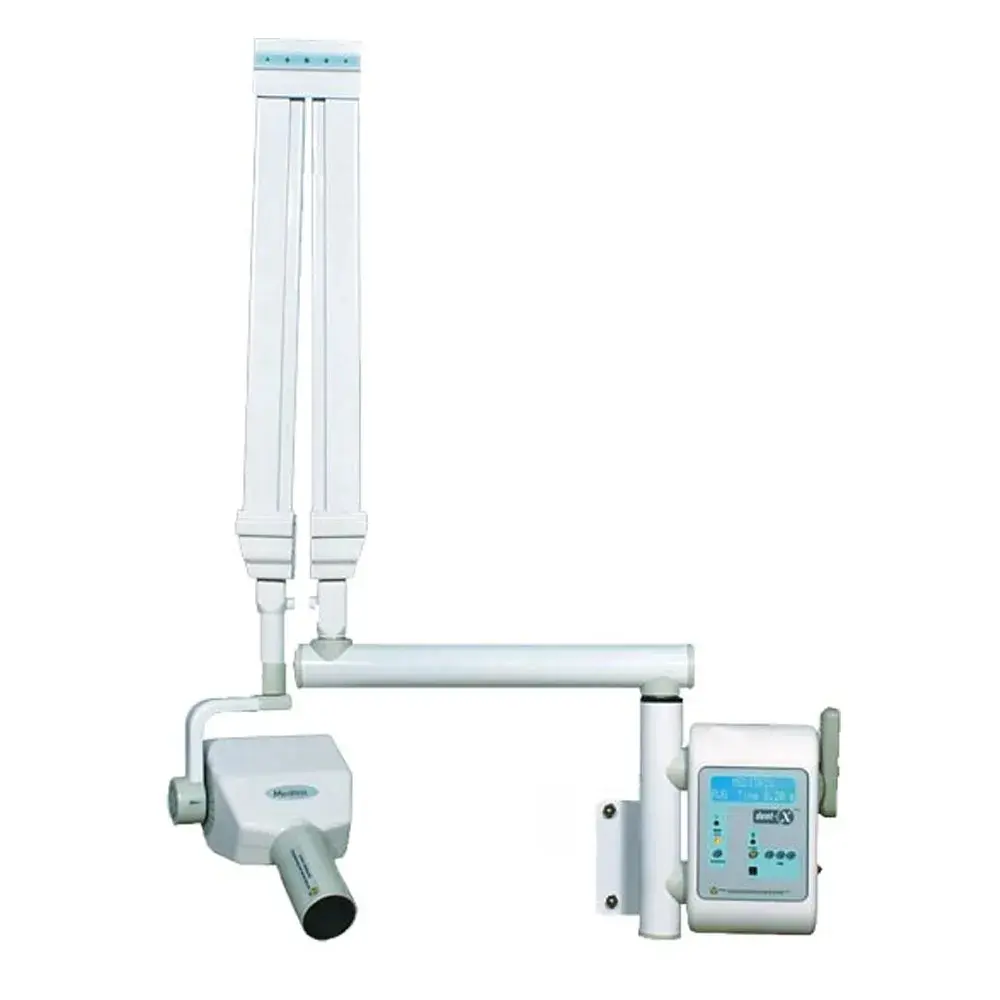
Depending on the clinic's services, equipment may include intraoral X-ray systems, digital sensors, panoramic systems, or other dental imaging solutions.
The appropriate system depends on the diagnostic requirements and treatments offered by the clinic.
9. Intraoral Camera
An intraoral camera is a small imaging device that allows dentists to capture detailed images inside the patient's mouth.
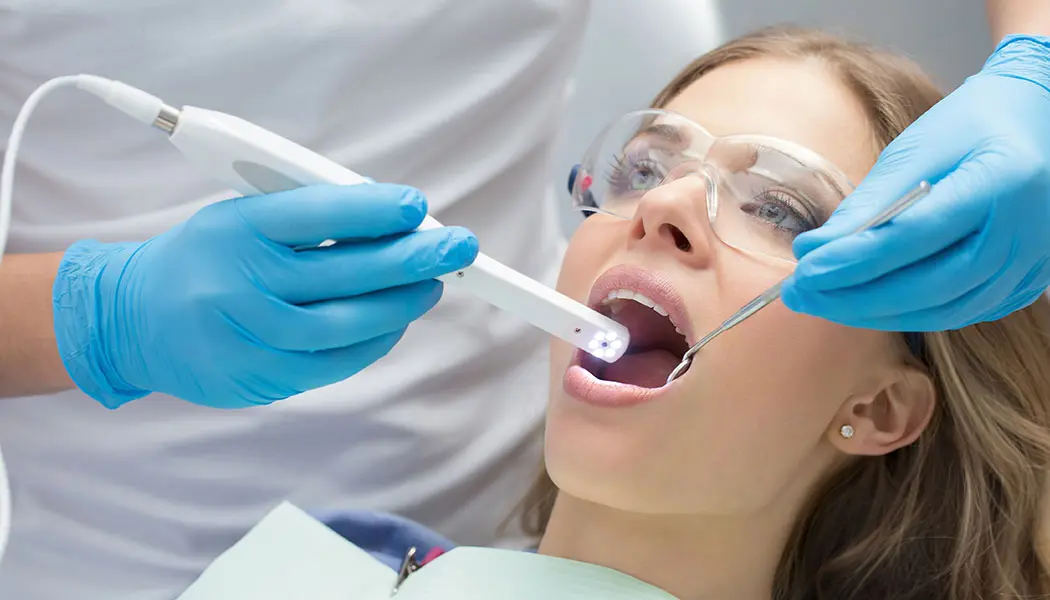
These images can help dentists explain dental conditions to patients and document clinical findings. They can also support patient education and treatment planning.
10. Dental Handpieces
Dental handpieces are essential instruments used for various dental procedures. High-speed and low-speed handpieces may be used for procedures such as tooth preparation, polishing, and other treatments.
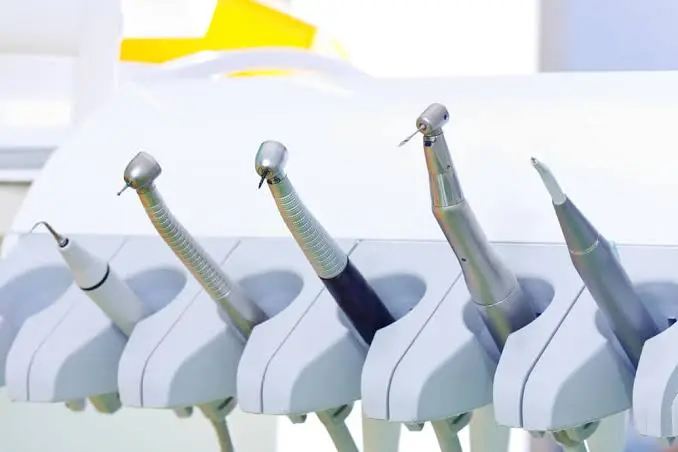
Clinics should consider handpiece performance, ergonomics, durability, compatibility, and maintenance requirements when purchasing them.
11. Dental Amalgamator
An amalgamator is used to mix dental amalgam capsules to achieve a consistent mixture before use.

Although the use of amalgam varies between dental practices, clinics that require amalgam restoration procedures may include an amalgamator in their equipment list.
12. Endodontic Equipment
Dental clinics offering root canal treatments may require additional endodontic equipment and instruments.

Depending on the clinic's services, this may include:
Endodontic motors
Apex locators
Endodontic files
Irrigation equipment
Root canal instruments
The equipment required depends on the procedures and treatment techniques used by the dental professional.
13. Dental Surgical Equipment
Clinics performing oral surgery may require specialised equipment and instruments for surgical procedures.
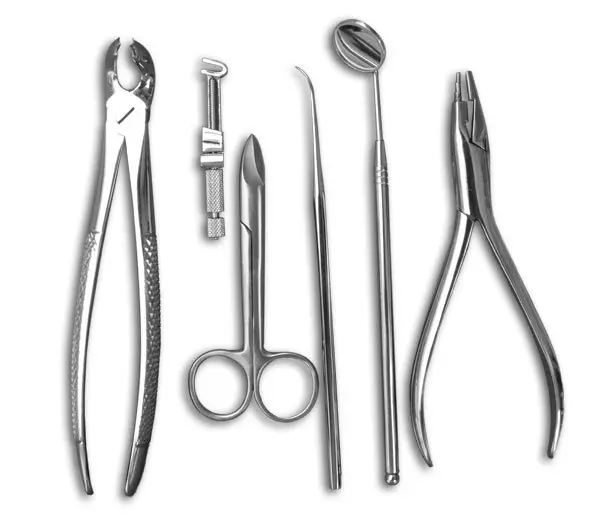
These can include extraction instruments, surgical handpieces, surgical suction systems, forceps, elevators, retractors, and other instruments appropriate for the procedures performed.
14. Dental Waste Management Equipment
Dental clinics generate different types of clinical and general waste. Appropriate containers and waste-management equipment should be available for the safe segregation and disposal of waste.
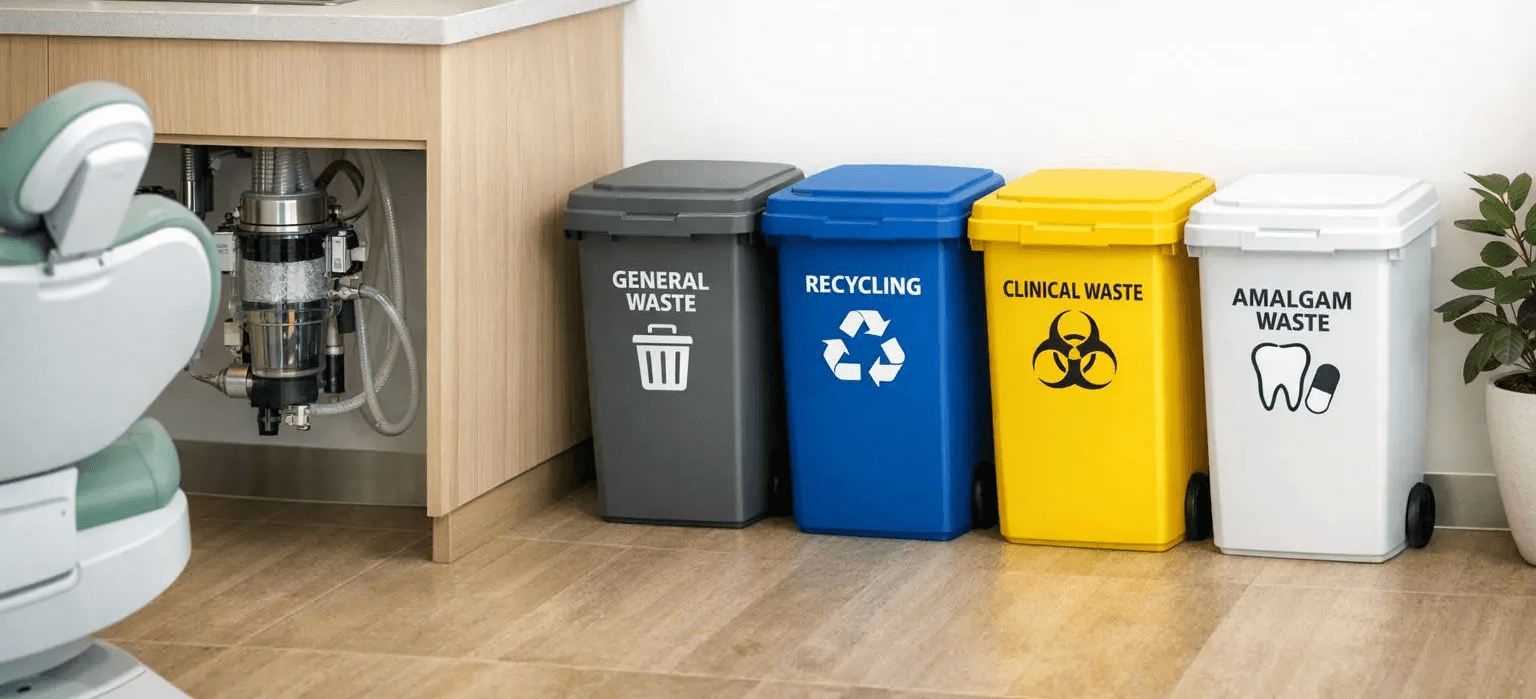
Sharps containers, clinical waste bins, and other appropriate containers can help support safe waste handling practices.
15. Dental Stool
An ergonomic dental stool provides support for dentists and dental assistants during procedures. Adjustable height, back support, mobility, and ergonomic design are important factors when choosing dental stools.
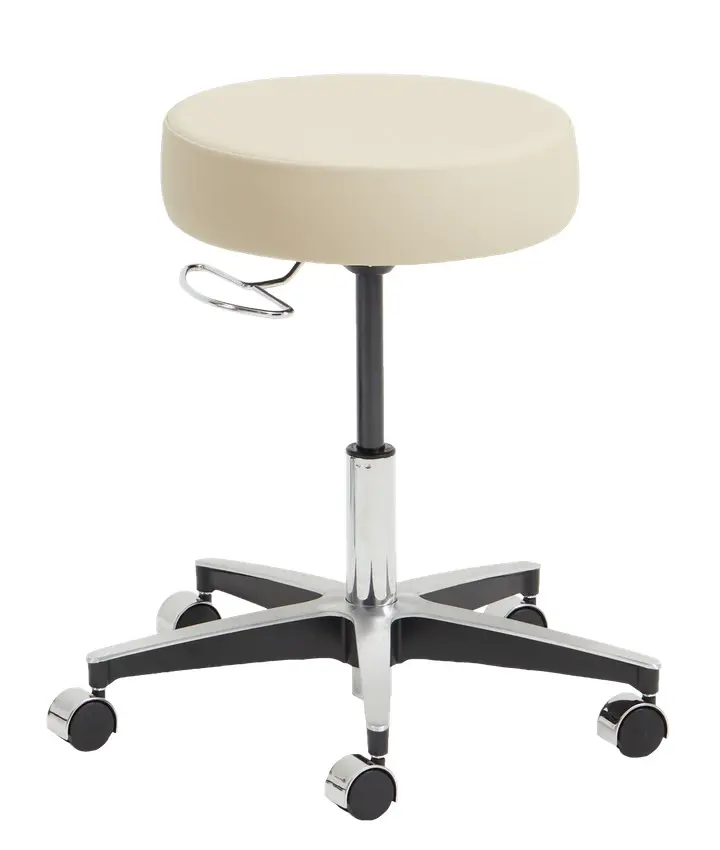
A comfortable working position can be particularly important during procedures that require dentists to remain seated for extended periods.
16. Emergency Medical Equipment
A dental clinic should also be prepared to respond to medical emergencies that may occur during treatment.

Depending on the clinic and applicable requirements, emergency preparedness may include appropriate first-aid equipment, oxygen equipment, monitoring devices, and other emergency supplies.
Dental Clinic Equipment Checklist
For easier planning, the main equipment categories can be summarised as follows:
Equipment | Main Purpose |
Dental Chair | Patient positioning and treatment |
Dental Delivery Unit | Instrument and equipment access |
Dental Operating Light | Focused illumination |
Dental Air Compressor | Compressed air supply |
Dental Suction System | Fluid and debris removal |
Autoclave | Instrument sterilisation |
Ultrasonic Cleaner | Instrument cleaning |
Dental X-Ray Equipment | Dental imaging |
Intraoral Camera | Intraoral imaging |
Dental Handpieces | Dental procedures |
Dental Instruments | Examination and treatment |
LED Curing Light | Curing restorative materials |
Apex Locator | Root canal working-length determination |
Dental Stool | Dentist and assistant support |
Waste Management Equipment | Safe waste segregation |
How to Choose Dental Clinic Equipment
Choosing equipment should begin with the services your clinic plans to provide. A general dental clinic may not need the same equipment as a practice specialising in endodontics, oral surgery, orthodontics, or implant dentistry.
Consider the following factors before purchasing:
1. Define Your Dental Services
Identify the procedures your clinic will provide. This will help determine which equipment and instruments are essential and which specialised equipment can be added later.
2. Set a Realistic Budget
Create separate budgets for major equipment, instruments, sterilisation systems, imaging equipment, furniture, installation, and maintenance.
3. Consider Quality and Durability
Dental equipment is used frequently, so durability and reliability should be considered alongside the initial purchase price.
4. Check Equipment Compatibility
Make sure equipment can be properly installed and integrated into your clinic's available electrical, water, compressed-air, and drainage systems where required.
5. Consider Maintenance and Service
Before purchasing, check whether technical support, preventive maintenance, repairs, spare parts, and servicing are available.
6. Choose Equipment According to Clinic Space
The size and layout of the clinic should be considered when selecting dental chairs, sterilisation equipment, imaging systems, storage units, and other equipment.
Dental Clinic Equipment Supplier
Choosing the right supplier is an important part of setting up a dental clinic. A reliable supplier can help with equipment selection, installation, technical support, maintenance, and after-sales service. You can choose Med Care Solutions LLP as your dental clinic equipment needs in Kerala and all over India.
Instead of purchasing every product based only on price, clinics should compare equipment specifications, quality, warranty, service support, and long-term operating requirements.
Med Care Solutions LLP for Healthcare Equipment
As one of the trusted medical equipment suppliers in Kerala that provides certified medical equipment and technical support to hospitals, clinics, and diagnostic centres. With more than 15 years of experience in the medical equipment industry, the company supports healthcare facilities with equipment supply and technical assistance.
For healthcare facilities planning a new setup or upgrading existing equipment, working with an experienced medical equipment supplier can make it easier to evaluate equipment requirements, compare suitable options, and plan purchases according to the facility's needs and budget.
Clinics can discuss their requirements with Med Care Solutions LLP to understand the equipment options suitable for their healthcare facility and obtain information about available products, technical support, and servicing.
Conclusion
Creating a complete dental clinic equipment list is an important step when setting up or upgrading a dental practice. From dental chairs, operating lights, compressors, and suction systems to autoclaves, X-ray equipment, handpieces, instruments, and specialised endodontic equipment, each item contributes to an efficient clinical workflow.
The ideal dental clinic equipment list depends on the services offered, patient volume, clinic size, budget, and treatment requirements. Dental clinics should therefore prioritise equipment quality, safety, durability, ease of use, and reliable after-sales support when making purchasing decisions.
By planning equipment requirements carefully and working with a reliable medical equipment supplier, dental clinics can create a well-organised environment that supports efficient and professional patient care.
Setting up a dental clinic requires more than just a dental chair and basic instruments. A well-equipped dental clinic needs a combination of patient-care equipment, diagnostic devices, sterilisation systems, dental instruments, and supporting equipment to provide safe and efficient treatment.
Whether you are opening a new dental clinic, upgrading an existing facility, or expanding your dental practice, having a clear dental clinic equipment list can help you plan your requirements and budget effectively.
In this guide, we cover the essential equipment commonly required for a modern dental clinic and explain the purpose of each category.
Why Is the Right Dental Equipment Important?
The right dental equipment helps dentists perform examinations, diagnosis, treatment, sterilisation, and routine procedures efficiently. Good-quality equipment can also improve patient comfort, workflow, infection control, and overall clinical safety.
Before purchasing equipment, dental clinics should consider factors such as:
Type of dental treatments provided
Size and layout of the clinic
Number of dental chairs
Patient volume
Available budget
Equipment quality and durability
Maintenance and after-sales support
Availability of spare parts and servicing
Dental Clinic Equipment List
The exact equipment requirements can vary depending on the services offered by a dental practice. However, the following are some of the important categories to consider when setting up a dental clinic.
1. Dental Chair
A dental chair is one of the most important pieces of equipment in a dental clinic. It provides appropriate positioning and support for patients during examinations and dental procedures.
Modern dental chairs may include adjustable positioning, integrated controls, operating lights, instrument trays, and other features designed to improve the dentist's workflow.
When selecting a dental chair, consider:
Patient comfort
Adjustable positioning
Weight capacity
Chair movement and controls
Integrated dental unit features
Ease of cleaning
Durability
2. Dental Delivery Unit
A dental delivery unit provides convenient access to instruments and other equipment used during dental procedures. Depending on the model, it may incorporate handpiece connections, water supply, air supply, controls, and instrument holders.
A well-designed delivery system can help dentists and assistants maintain an organised workflow.
3. Dental Operating Light
Proper illumination is essential for dental examinations and procedures. Dental operating lights provide focused lighting of the oral cavity while helping the dentist work with greater visibility.
Important considerations include brightness, adjustability, positioning, and ease of cleaning.
4. Dental Air Compressor
Dental air compressors supply compressed air to equipment such as dental handpieces and other air-operated devices.
A dental compressor should provide an appropriate and reliable air supply for the clinic's equipment. Oil-free compressors are commonly considered for dental applications where clean compressed air is required.
5. Dental Suction System
A dental suction system helps remove saliva, fluids, debris, and other materials from the patient's mouth during treatment.
Common suction equipment includes saliva ejectors and high-volume evacuation systems. An appropriate suction system can improve visibility and help maintain a cleaner working environment.
6. Autoclave
An autoclave is essential for sterilising reusable dental instruments. It uses pressurised steam at controlled temperatures to sterilise instruments and reduce the risk of cross-contamination.
When choosing an autoclave, dental clinics should consider:
Chamber capacity
Sterilisation cycles
Drying function
Safety features
Ease of operation
Maintenance requirements
7. Ultrasonic Cleaner
An ultrasonic cleaner can be used as part of the instrument cleaning process before sterilisation. It uses ultrasonic energy to help remove debris from instruments, including areas that can be difficult to clean manually.
It can be a useful addition to a dental clinic's instrument-processing workflow.
8. Dental X-Ray Equipment
Dental X-ray equipment is used to obtain images that help dentists evaluate teeth, roots, surrounding structures, and other oral conditions.
Depending on the clinic's services, equipment may include intraoral X-ray systems, digital sensors, panoramic systems, or other dental imaging solutions.
The appropriate system depends on the diagnostic requirements and treatments offered by the clinic.
9. Intraoral Camera
An intraoral camera is a small imaging device that allows dentists to capture detailed images inside the patient's mouth.
These images can help dentists explain dental conditions to patients and document clinical findings. They can also support patient education and treatment planning.
10. Dental Handpieces
Dental handpieces are essential instruments used for various dental procedures. High-speed and low-speed handpieces may be used for procedures such as tooth preparation, polishing, and other treatments.
Clinics should consider handpiece performance, ergonomics, durability, compatibility, and maintenance requirements when purchasing them.
11. Dental Amalgamator
An amalgamator is used to mix dental amalgam capsules to achieve a consistent mixture before use.
Although the use of amalgam varies between dental practices, clinics that require amalgam restoration procedures may include an amalgamator in their equipment list.
12. Endodontic Equipment
Dental clinics offering root canal treatments may require additional endodontic equipment and instruments.
Depending on the clinic's services, this may include:
Endodontic motors
Apex locators
Endodontic files
Irrigation equipment
Root canal instruments
The equipment required depends on the procedures and treatment techniques used by the dental professional.
13. Dental Surgical Equipment
Clinics performing oral surgery may require specialised equipment and instruments for surgical procedures.
These can include extraction instruments, surgical handpieces, surgical suction systems, forceps, elevators, retractors, and other instruments appropriate for the procedures performed.
14. Dental Waste Management Equipment
Dental clinics generate different types of clinical and general waste. Appropriate containers and waste-management equipment should be available for the safe segregation and disposal of waste.
Sharps containers, clinical waste bins, and other appropriate containers can help support safe waste handling practices.
15. Dental Stool
An ergonomic dental stool provides support for dentists and dental assistants during procedures. Adjustable height, back support, mobility, and ergonomic design are important factors when choosing dental stools.
A comfortable working position can be particularly important during procedures that require dentists to remain seated for extended periods.
16. Emergency Medical Equipment
A dental clinic should also be prepared to respond to medical emergencies that may occur during treatment.
Depending on the clinic and applicable requirements, emergency preparedness may include appropriate first-aid equipment, oxygen equipment, monitoring devices, and other emergency supplies.
Dental Clinic Equipment Checklist
For easier planning, the main equipment categories can be summarised as follows:
Equipment | Main Purpose |
Dental Chair | Patient positioning and treatment |
Dental Delivery Unit | Instrument and equipment access |
Dental Operating Light | Focused illumination |
Dental Air Compressor | Compressed air supply |
Dental Suction System | Fluid and debris removal |
Autoclave | Instrument sterilisation |
Ultrasonic Cleaner | Instrument cleaning |
Dental X-Ray Equipment | Dental imaging |
Intraoral Camera | Intraoral imaging |
Dental Handpieces | Dental procedures |
Dental Instruments | Examination and treatment |
LED Curing Light | Curing restorative materials |
Apex Locator | Root canal working-length determination |
Dental Stool | Dentist and assistant support |
Waste Management Equipment | Safe waste segregation |
How to Choose Dental Clinic Equipment
Choosing equipment should begin with the services your clinic plans to provide. A general dental clinic may not need the same equipment as a practice specialising in endodontics, oral surgery, orthodontics, or implant dentistry.
Consider the following factors before purchasing:
1. Define Your Dental Services
Identify the procedures your clinic will provide. This will help determine which equipment and instruments are essential and which specialised equipment can be added later.
2. Set a Realistic Budget
Create separate budgets for major equipment, instruments, sterilisation systems, imaging equipment, furniture, installation, and maintenance.
3. Consider Quality and Durability
Dental equipment is used frequently, so durability and reliability should be considered alongside the initial purchase price.
4. Check Equipment Compatibility
Make sure equipment can be properly installed and integrated into your clinic's available electrical, water, compressed-air, and drainage systems where required.
5. Consider Maintenance and Service
Before purchasing, check whether technical support, preventive maintenance, repairs, spare parts, and servicing are available.
6. Choose Equipment According to Clinic Space
The size and layout of the clinic should be considered when selecting dental chairs, sterilisation equipment, imaging systems, storage units, and other equipment.
Dental Clinic Equipment Supplier
Choosing the right supplier is an important part of setting up a dental clinic. A reliable supplier can help with equipment selection, installation, technical support, maintenance, and after-sales service. You can choose Med Care Solutions LLP as your dental clinic equipment needs in Kerala and all over India.
Instead of purchasing every product based only on price, clinics should compare equipment specifications, quality, warranty, service support, and long-term operating requirements.
Med Care Solutions LLP for Healthcare Equipment
As one of the trusted medical equipment suppliers in Kerala that provides certified medical equipment and technical support to hospitals, clinics, and diagnostic centres. With more than 15 years of experience in the medical equipment industry, the company supports healthcare facilities with equipment supply and technical assistance.
For healthcare facilities planning a new setup or upgrading existing equipment, working with an experienced medical equipment supplier can make it easier to evaluate equipment requirements, compare suitable options, and plan purchases according to the facility's needs and budget.
Clinics can discuss their requirements with Med Care Solutions LLP to understand the equipment options suitable for their healthcare facility and obtain information about available products, technical support, and servicing.
Conclusion
Creating a complete dental clinic equipment list is an important step when setting up or upgrading a dental practice. From dental chairs, operating lights, compressors, and suction systems to autoclaves, X-ray equipment, handpieces, instruments, and specialised endodontic equipment, each item contributes to an efficient clinical workflow.
The ideal dental clinic equipment list depends on the services offered, patient volume, clinic size, budget, and treatment requirements. Dental clinics should therefore prioritise equipment quality, safety, durability, ease of use, and reliable after-sales support when making purchasing decisions.
By planning equipment requirements carefully and working with a reliable medical equipment supplier, dental clinics can create a well-organised environment that supports efficient and professional patient care.
Get Started Today
Reliable Service You Can Trust
Fast, certified repair, maintenance, and refurbishment for ultrasound systems and probes.
100% ISO Certified
98% Client Satisfaction
99% On-Time Delivery
Join 500+ healthcare facilities trusting Med Care Solutions
Get Started Today
Reliable Service You Can Trust
Fast, certified repair, maintenance, and refurbishment for ultrasound systems and probes.
100% ISO Certified
98% Client Satisfaction
99% On-Time Delivery
Join 500+ healthcare facilities trusting Med Care Solutions
Get Started Today
Reliable Service You Can Trust
Fast, certified repair, maintenance, and refurbishment for ultrasound systems and probes.
100% ISO Certified
98% Client Satisfaction
99% On-Time Delivery
Join 500+ healthcare facilities trusting Med Care Solutions