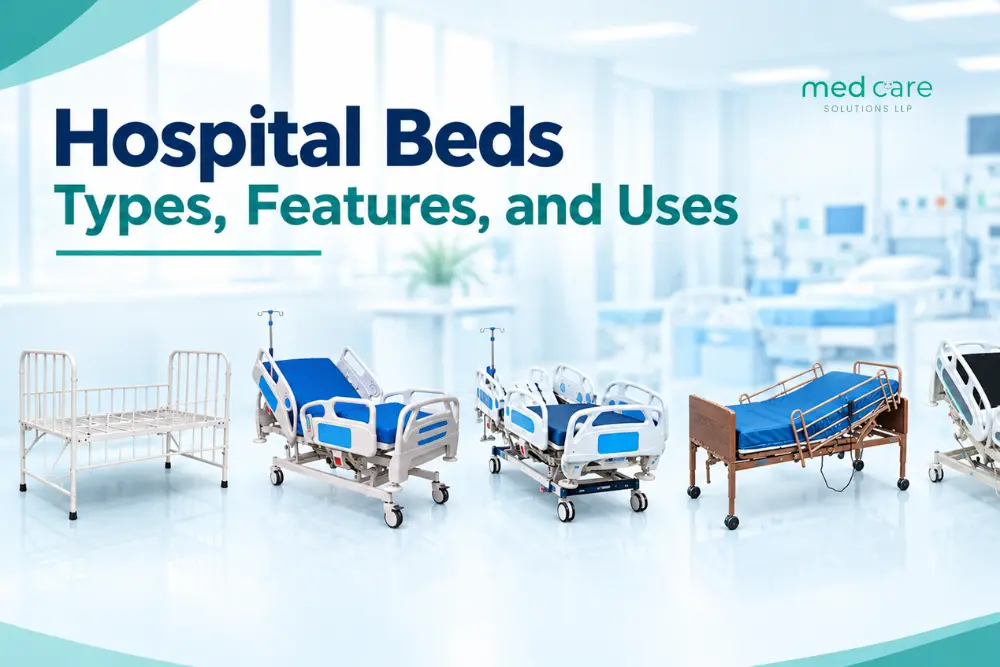
Hospital Beds Types, Features, and Uses
Hospital Beds Types, Features, and Uses
Hospital Beds Types, Features, and Uses
Hospital beds are essential medical equipment used in hospitals, clinics, nursing homes, and other healthcare facilities. They are designed to provide patient comfort, support medical treatment, and make it easier for healthcare professionals to deliver safe and efficient care.
Different types of hospital beds are available to meet the needs of patients with varying medical conditions, mobility levels, and recovery requirements. From basic manual beds to advanced electric ICU beds, each type offers specific features and benefits.
In this guide, we explore the different types of hospital beds, their features, applications, and the factors healthcare facilities should consider when choosing the right bed. As one of the best medical equipment suppliers in kerala we can explain everything about hospital beds types, features and uses.
What Is a Hospital Bed?
A hospital bed is a specially designed medical bed used to accommodate patients during examination, treatment, recovery, and long-term care. Unlike regular beds, hospital beds often include adjustable positions, safety rails, height controls, and features that help healthcare staff care for patients more effectively.
Depending on the model, a hospital bed may offer:
Adjustable head and leg sections
Height adjustment
Side safety rails
Wheels with locking mechanisms
Trendelenburg and reverse Trendelenburg positioning
Integrated patient-care accessories
Electric or manual adjustment controls
The features required depend on the patient's condition and the healthcare facility's clinical needs.
Different Types of Hospital Beds
1. Manual Hospital Beds

Manual hospital beds use hand-operated cranks to adjust the bed's position. Depending on the model, these cranks may control the backrest, leg section, or overall bed height.
Key features:
Hand-crank adjustment
No electrical power required for positioning
Simple mechanical design
Generally lower initial cost than powered beds
Applications:
Manual beds are commonly used in general wards, smaller healthcare facilities, nursing homes, and settings where basic patient positioning is sufficient.
They can be a practical option for facilities looking for functional beds with straightforward adjustment mechanisms.
2. Semi-Electric Hospital Beds

Semi-electric hospital beds combine electrical controls with manual adjustment. Typically, the head and foot sections can be adjusted using an electric motor, while the bed height is adjusted manually.
Key features:
Electric head and foot positioning
Manual height adjustment
Handheld control system
Convenient patient positioning
Applications:
Semi-electric beds are suitable for general hospital wards, recovery rooms, and long-term care facilities where patients need frequent position changes but full electric adjustment may not be necessary.
3. Fully Electric Hospital Beds
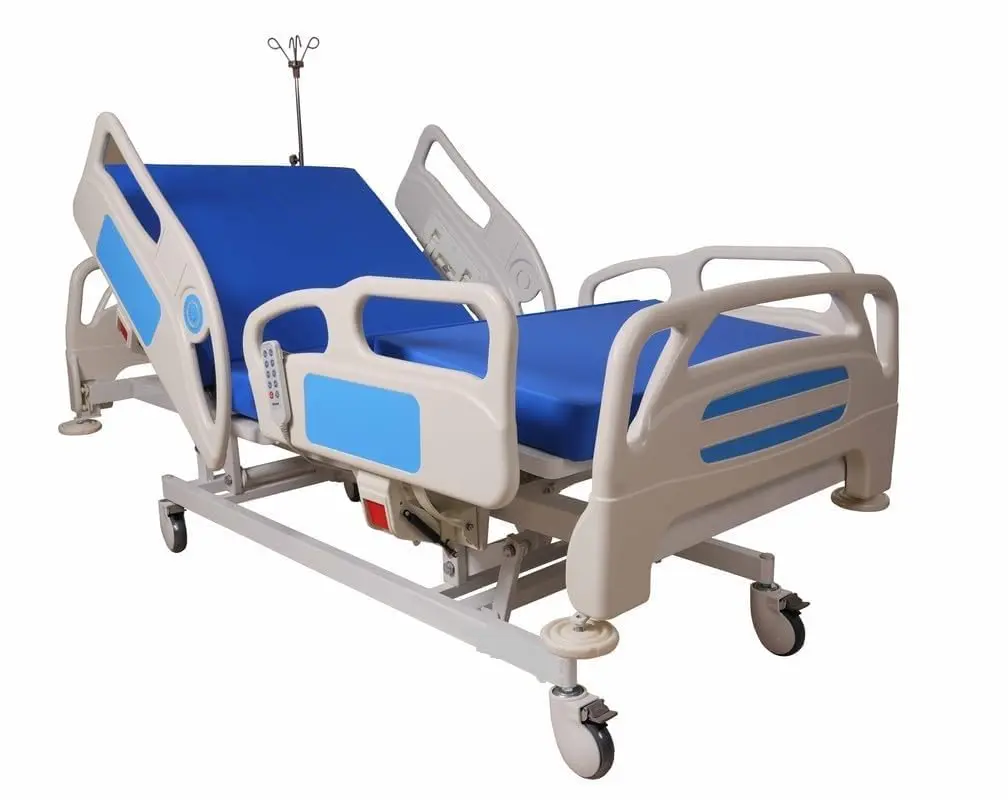
Fully electric hospital beds use motors to adjust several bed functions. Depending on the model, users can control the backrest, leg section, and overall bed height through an electronic handset or control panel.
Key features:
Electric height adjustment
Adjustable head and leg sections
Easy-to-use controls
Improved convenience for caregivers
Multiple positioning options
Applications:
Fully electric beds are commonly used in hospitals, private rooms, rehabilitation centres, and long-term care facilities.
They can reduce the physical effort required to adjust the bed and help healthcare professionals position patients according to their care needs.
4. ICU Hospital Beds

Intensive Care Unit (ICU) beds are designed for patients who require close monitoring and intensive medical care. They typically offer advanced positioning functions and features that support healthcare professionals during treatment.
Key features may include:
Multiple electric adjustment functions
Adjustable side rails
Integrated control panels
Patient-positioning options
Emergency positioning functions
Compatibility with selected patient-care accessories
Some ICU beds also include weighing systems, CPR release mechanisms, and bed-exit alerts, depending on the model.
Applications:
ICU beds are used in intensive care units and other critical-care areas where patients require continuous observation and specialised support.
5. Paediatric Hospital Beds
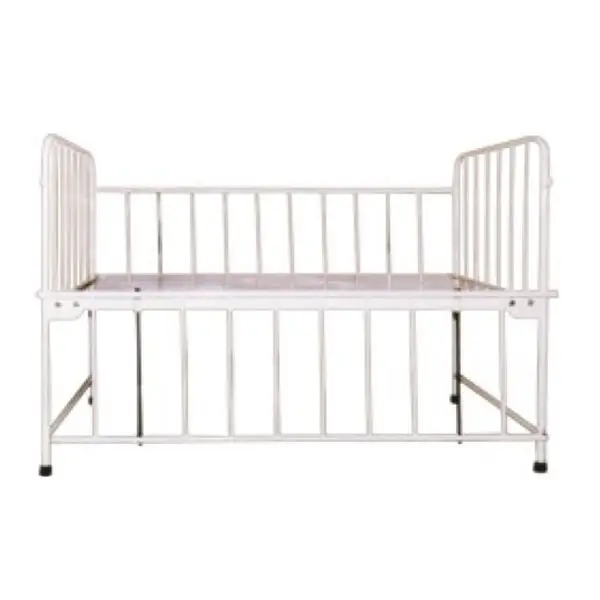
Paediatric hospital beds are designed specifically for infants, children, and younger patients. They are sized and configured to support the needs of children while helping reduce the risk of falls or accidental injury.
Key features may include:
Child-appropriate bed dimensions
Protective side rails
Secure locking wheels
Adjustable positioning on selected models
Easy-to-clean surfaces
Applications:
These beds are commonly used in paediatric wards, children's hospitals, and other healthcare facilities that provide medical care to children.
The appropriate bed should be selected according to the child's age, size, mobility, and clinical requirements.
6. Labour and Delivery Beds
Labour and delivery beds are designed to support patients during labour, childbirth, and related maternity care. They offer adjustable positions to accommodate different stages of labour and clinical procedures.
Key features may include:
Adjustable backrest and leg sections
Removable or adjustable leg supports
Positioning options for examinations and delivery
Safety rails
Accessories for maternity care
Applications:
These beds are used in maternity wards, labour rooms, and delivery suites.
The specific features required depend on the facility's maternity services and the procedures performed.
7. Orthopaedic Hospital Beds
Orthopaedic beds are designed to support patients recovering from fractures, joint procedures, spinal conditions, and other musculoskeletal injuries.
Some models can accommodate traction equipment or other orthopaedic accessories, depending on the patient's treatment plan.
Key features may include:
Adjustable positioning
Support for selected traction systems
Strong bed frame
Compatibility with orthopaedic accessories
Features to assist patient repositioning
Applications:
Orthopaedic beds are used in orthopaedic wards, rehabilitation centres, and hospitals that treat bone, joint, and spinal conditions.
The bed and accessories should be selected in consultation with the clinical team.
8. Low Hospital Beds
Low hospital beds can be lowered close to the floor to reduce the distance a patient may fall if they roll out of bed. They are particularly useful for patients who have difficulty moving safely or who are at increased risk of falling.
Key features may include:
Low minimum bed height
Adjustable positioning
Safety rails, depending on the model
Lockable wheels
Electric adjustment on many models
Applications:
Low beds may be used in geriatric wards, rehabilitation settings, and long-term care facilities.
A low bed can be one component of a broader fall-prevention plan, alongside appropriate supervision and other safety measures.
9. Bariatric Hospital Beds
Bariatric hospital beds are designed to accommodate patients who require a higher weight capacity and a wider sleeping surface than standard hospital beds provide.
Key features may include:
Higher safe working load
Wider mattress platform
Reinforced frame
Heavy-duty adjustment mechanisms
Compatible bariatric mattresses and accessories
Applications:
These beds are used in hospitals, specialist care units, and other facilities that provide care for patients requiring higher-capacity equipment.
When selecting a bariatric bed, healthcare facilities should check the manufacturer's specified safe working load, bed dimensions, and compatibility with mattresses and accessories.
10. Fowler and Semi-Fowler Beds
Fowler beds allow the patient to rest with the upper body elevated. Semi-Fowler positioning involves a more moderate elevation of the upper body.
These terms describe bed-positioning configurations rather than a single universal bed design. The positioning may be available on manual, semi-electric, and fully electric beds.
Key features may include:
Adjustable backrest
Multiple reclining positions
Manual or electric controls
Support for patient comfort and positioning
Applications:
Fowler and semi-Fowler positioning may be used in general wards, recovery rooms, and other clinical settings when an elevated upper-body position is appropriate.
The required angle and duration should follow the patient's care plan.
Hospital Bed Types at a Glance
Type of bed | Main purpose |
Manual hospital bed | Basic patient care and positioning |
Semi-electric bed | Electric back and leg adjustment with manual height control |
Fully electric bed | Powered adjustment of multiple bed functions |
ICU bed | Intensive and critical care |
Paediatric bed | Care for infants and children |
Labour and delivery bed | Maternity care and childbirth |
Orthopaedic bed | Support for orthopaedic treatment and recovery |
Low hospital bed | Support for fall-risk management |
Bariatric bed | Patients requiring higher-capacity beds |
Fowler bed | Adjustable upper-body positioning |
How to Choose the Right Hospital Bed
Choosing the right hospital bed involves evaluating patient needs, clinical applications, available space, and the healthcare facility's budget.
1. Identify the Clinical Requirements
Consider where the bed will be used. A general ward may require a different bed from an ICU, maternity unit, paediatric ward, or rehabilitation centre.
2. Consider Patient Comfort and Safety
Look for suitable mattress support, adjustable positioning, safe working load, and appropriate side rails. Bed features should match the patient's mobility and care requirements.
3. Choose the Right Adjustment Mechanism
Manual beds may be suitable for basic applications, while electric beds can make frequent adjustments easier for patients and caregivers.
4. Check Weight Capacity and Dimensions
Ensure the bed can safely accommodate the intended patient. For bariatric or specialised beds, check the specified safe working load and mattress dimensions.
5. Evaluate Cleaning and Maintenance Requirements
Hospital beds should have surfaces and components that can be cleaned according to the manufacturer's instructions. Check the availability of replacement parts and the requirements for routine servicing.
6. Consider Accessories and Additional Features
Depending on the clinical setting, useful features may include IV pole holders, overbed tables, patient lifting accessories, weighing systems, and emergency positioning functions.
7. Review Supplier Support
Choose a medical equipment supplier that can provide product information, installation guidance, warranty support, and maintenance services. Reliable after-sales assistance can help healthcare facilities maintain equipment availability.
Importance of Hospital Bed Maintenance
Regular inspection and maintenance help keep hospital beds safe and functional. Healthcare facilities should follow the manufacturer's recommendations and establish a maintenance schedule.
Routine checks may include:
Inspecting the bed frame and joints
Checking wheels and locking brakes
Testing electric controls and motors
Inspecting power cables and handsets
Checking side rails and locking mechanisms
Examining mattress platforms
Confirming that adjustment functions operate correctly
Any bed with damaged components, malfunctioning controls, unstable frames, or faulty brakes should be assessed and taken out of service when necessary until it is safe to use.
Choosing a Hospital Bed Supplier in Kerala
Healthcare facilities need a dependable supplier that understands their equipment requirements and can provide suitable products and ongoing support.
When choosing a hospital bed supplier in Kerala, consider product quality, available bed types, safety features, warranty coverage, spare-part availability, and after-sales service.
Med Care Solutions LLP supplies medical equipment and provides technical support to hospitals, clinics, and diagnostic centres. With over 15 years of experience in the medical equipment sector, Med Care Solutions supports healthcare facilities in identifying equipment suited to their operational needs.
Whether your facility requires hospital beds for general wards, patient recovery, or specialised care, discussing your requirements with an experienced medical equipment supplier can help you identify suitable options.
Conclusion
Hospital beds play an important role in patient care, comfort, safety, and recovery. Different types of beds are designed for different purposes, including general patient care, intensive care, maternity services, paediatric care, orthopaedic treatment, and long-term care.
Understanding the features and applications of manual, semi-electric, fully electric, ICU, paediatric, bariatric, and other specialised beds can help healthcare facilities make informed purchasing decisions.
Before selecting a hospital bed, assess patient needs, adjustment options, safety features, weight capacity, maintenance requirements, and supplier support. Choosing appropriate equipment can help healthcare professionals deliver effective care while supporting the needs of patients.
Med Care Solutions LLP provides medical equipment solutions and technical support for healthcare facilities seeking dependable equipment for their clinical requirements.
Hospital beds are essential medical equipment used in hospitals, clinics, nursing homes, and other healthcare facilities. They are designed to provide patient comfort, support medical treatment, and make it easier for healthcare professionals to deliver safe and efficient care.
Different types of hospital beds are available to meet the needs of patients with varying medical conditions, mobility levels, and recovery requirements. From basic manual beds to advanced electric ICU beds, each type offers specific features and benefits.
In this guide, we explore the different types of hospital beds, their features, applications, and the factors healthcare facilities should consider when choosing the right bed. As one of the best medical equipment suppliers in kerala we can explain everything about hospital beds types, features and uses.
What Is a Hospital Bed?
A hospital bed is a specially designed medical bed used to accommodate patients during examination, treatment, recovery, and long-term care. Unlike regular beds, hospital beds often include adjustable positions, safety rails, height controls, and features that help healthcare staff care for patients more effectively.
Depending on the model, a hospital bed may offer:
Adjustable head and leg sections
Height adjustment
Side safety rails
Wheels with locking mechanisms
Trendelenburg and reverse Trendelenburg positioning
Integrated patient-care accessories
Electric or manual adjustment controls
The features required depend on the patient's condition and the healthcare facility's clinical needs.
Different Types of Hospital Beds
1. Manual Hospital Beds
Manual hospital beds use hand-operated cranks to adjust the bed's position. Depending on the model, these cranks may control the backrest, leg section, or overall bed height.
Key features:
Hand-crank adjustment
No electrical power required for positioning
Simple mechanical design
Generally lower initial cost than powered beds
Applications:
Manual beds are commonly used in general wards, smaller healthcare facilities, nursing homes, and settings where basic patient positioning is sufficient.
They can be a practical option for facilities looking for functional beds with straightforward adjustment mechanisms.
2. Semi-Electric Hospital Beds
Semi-electric hospital beds combine electrical controls with manual adjustment. Typically, the head and foot sections can be adjusted using an electric motor, while the bed height is adjusted manually.
Key features:
Electric head and foot positioning
Manual height adjustment
Handheld control system
Convenient patient positioning
Applications:
Semi-electric beds are suitable for general hospital wards, recovery rooms, and long-term care facilities where patients need frequent position changes but full electric adjustment may not be necessary.
3. Fully Electric Hospital Beds
Fully electric hospital beds use motors to adjust several bed functions. Depending on the model, users can control the backrest, leg section, and overall bed height through an electronic handset or control panel.
Key features:
Electric height adjustment
Adjustable head and leg sections
Easy-to-use controls
Improved convenience for caregivers
Multiple positioning options
Applications:
Fully electric beds are commonly used in hospitals, private rooms, rehabilitation centres, and long-term care facilities.
They can reduce the physical effort required to adjust the bed and help healthcare professionals position patients according to their care needs.
4. ICU Hospital Beds
Intensive Care Unit (ICU) beds are designed for patients who require close monitoring and intensive medical care. They typically offer advanced positioning functions and features that support healthcare professionals during treatment.
Key features may include:
Multiple electric adjustment functions
Adjustable side rails
Integrated control panels
Patient-positioning options
Emergency positioning functions
Compatibility with selected patient-care accessories
Some ICU beds also include weighing systems, CPR release mechanisms, and bed-exit alerts, depending on the model.
Applications:
ICU beds are used in intensive care units and other critical-care areas where patients require continuous observation and specialised support.
5. Paediatric Hospital Beds
Paediatric hospital beds are designed specifically for infants, children, and younger patients. They are sized and configured to support the needs of children while helping reduce the risk of falls or accidental injury.
Key features may include:
Child-appropriate bed dimensions
Protective side rails
Secure locking wheels
Adjustable positioning on selected models
Easy-to-clean surfaces
Applications:
These beds are commonly used in paediatric wards, children's hospitals, and other healthcare facilities that provide medical care to children.
The appropriate bed should be selected according to the child's age, size, mobility, and clinical requirements.
6. Labour and Delivery Beds
Labour and delivery beds are designed to support patients during labour, childbirth, and related maternity care. They offer adjustable positions to accommodate different stages of labour and clinical procedures.
Key features may include:
Adjustable backrest and leg sections
Removable or adjustable leg supports
Positioning options for examinations and delivery
Safety rails
Accessories for maternity care
Applications:
These beds are used in maternity wards, labour rooms, and delivery suites.
The specific features required depend on the facility's maternity services and the procedures performed.
7. Orthopaedic Hospital Beds
Orthopaedic beds are designed to support patients recovering from fractures, joint procedures, spinal conditions, and other musculoskeletal injuries.
Some models can accommodate traction equipment or other orthopaedic accessories, depending on the patient's treatment plan.
Key features may include:
Adjustable positioning
Support for selected traction systems
Strong bed frame
Compatibility with orthopaedic accessories
Features to assist patient repositioning
Applications:
Orthopaedic beds are used in orthopaedic wards, rehabilitation centres, and hospitals that treat bone, joint, and spinal conditions.
The bed and accessories should be selected in consultation with the clinical team.
8. Low Hospital Beds
Low hospital beds can be lowered close to the floor to reduce the distance a patient may fall if they roll out of bed. They are particularly useful for patients who have difficulty moving safely or who are at increased risk of falling.
Key features may include:
Low minimum bed height
Adjustable positioning
Safety rails, depending on the model
Lockable wheels
Electric adjustment on many models
Applications:
Low beds may be used in geriatric wards, rehabilitation settings, and long-term care facilities.
A low bed can be one component of a broader fall-prevention plan, alongside appropriate supervision and other safety measures.
9. Bariatric Hospital Beds
Bariatric hospital beds are designed to accommodate patients who require a higher weight capacity and a wider sleeping surface than standard hospital beds provide.
Key features may include:
Higher safe working load
Wider mattress platform
Reinforced frame
Heavy-duty adjustment mechanisms
Compatible bariatric mattresses and accessories
Applications:
These beds are used in hospitals, specialist care units, and other facilities that provide care for patients requiring higher-capacity equipment.
When selecting a bariatric bed, healthcare facilities should check the manufacturer's specified safe working load, bed dimensions, and compatibility with mattresses and accessories.
10. Fowler and Semi-Fowler Beds
Fowler beds allow the patient to rest with the upper body elevated. Semi-Fowler positioning involves a more moderate elevation of the upper body.
These terms describe bed-positioning configurations rather than a single universal bed design. The positioning may be available on manual, semi-electric, and fully electric beds.
Key features may include:
Adjustable backrest
Multiple reclining positions
Manual or electric controls
Support for patient comfort and positioning
Applications:
Fowler and semi-Fowler positioning may be used in general wards, recovery rooms, and other clinical settings when an elevated upper-body position is appropriate.
The required angle and duration should follow the patient's care plan.
Hospital Bed Types at a Glance
Type of bed | Main purpose |
Manual hospital bed | Basic patient care and positioning |
Semi-electric bed | Electric back and leg adjustment with manual height control |
Fully electric bed | Powered adjustment of multiple bed functions |
ICU bed | Intensive and critical care |
Paediatric bed | Care for infants and children |
Labour and delivery bed | Maternity care and childbirth |
Orthopaedic bed | Support for orthopaedic treatment and recovery |
Low hospital bed | Support for fall-risk management |
Bariatric bed | Patients requiring higher-capacity beds |
Fowler bed | Adjustable upper-body positioning |
How to Choose the Right Hospital Bed
Choosing the right hospital bed involves evaluating patient needs, clinical applications, available space, and the healthcare facility's budget.
1. Identify the Clinical Requirements
Consider where the bed will be used. A general ward may require a different bed from an ICU, maternity unit, paediatric ward, or rehabilitation centre.
2. Consider Patient Comfort and Safety
Look for suitable mattress support, adjustable positioning, safe working load, and appropriate side rails. Bed features should match the patient's mobility and care requirements.
3. Choose the Right Adjustment Mechanism
Manual beds may be suitable for basic applications, while electric beds can make frequent adjustments easier for patients and caregivers.
4. Check Weight Capacity and Dimensions
Ensure the bed can safely accommodate the intended patient. For bariatric or specialised beds, check the specified safe working load and mattress dimensions.
5. Evaluate Cleaning and Maintenance Requirements
Hospital beds should have surfaces and components that can be cleaned according to the manufacturer's instructions. Check the availability of replacement parts and the requirements for routine servicing.
6. Consider Accessories and Additional Features
Depending on the clinical setting, useful features may include IV pole holders, overbed tables, patient lifting accessories, weighing systems, and emergency positioning functions.
7. Review Supplier Support
Choose a medical equipment supplier that can provide product information, installation guidance, warranty support, and maintenance services. Reliable after-sales assistance can help healthcare facilities maintain equipment availability.
Importance of Hospital Bed Maintenance
Regular inspection and maintenance help keep hospital beds safe and functional. Healthcare facilities should follow the manufacturer's recommendations and establish a maintenance schedule.
Routine checks may include:
Inspecting the bed frame and joints
Checking wheels and locking brakes
Testing electric controls and motors
Inspecting power cables and handsets
Checking side rails and locking mechanisms
Examining mattress platforms
Confirming that adjustment functions operate correctly
Any bed with damaged components, malfunctioning controls, unstable frames, or faulty brakes should be assessed and taken out of service when necessary until it is safe to use.
Choosing a Hospital Bed Supplier in Kerala
Healthcare facilities need a dependable supplier that understands their equipment requirements and can provide suitable products and ongoing support.
When choosing a hospital bed supplier in Kerala, consider product quality, available bed types, safety features, warranty coverage, spare-part availability, and after-sales service.
Med Care Solutions LLP supplies medical equipment and provides technical support to hospitals, clinics, and diagnostic centres. With over 15 years of experience in the medical equipment sector, Med Care Solutions supports healthcare facilities in identifying equipment suited to their operational needs.
Whether your facility requires hospital beds for general wards, patient recovery, or specialised care, discussing your requirements with an experienced medical equipment supplier can help you identify suitable options.
Conclusion
Hospital beds play an important role in patient care, comfort, safety, and recovery. Different types of beds are designed for different purposes, including general patient care, intensive care, maternity services, paediatric care, orthopaedic treatment, and long-term care.
Understanding the features and applications of manual, semi-electric, fully electric, ICU, paediatric, bariatric, and other specialised beds can help healthcare facilities make informed purchasing decisions.
Before selecting a hospital bed, assess patient needs, adjustment options, safety features, weight capacity, maintenance requirements, and supplier support. Choosing appropriate equipment can help healthcare professionals deliver effective care while supporting the needs of patients.
Med Care Solutions LLP provides medical equipment solutions and technical support for healthcare facilities seeking dependable equipment for their clinical requirements.
Get Started Today
Reliable Service You Can Trust
Fast, certified repair, maintenance, and refurbishment for ultrasound systems and probes.
100% ISO Certified
98% Client Satisfaction
99% On-Time Delivery
Join 500+ healthcare facilities trusting Med Care Solutions
Get Started Today
Reliable Service You Can Trust
Fast, certified repair, maintenance, and refurbishment for ultrasound systems and probes.
100% ISO Certified
98% Client Satisfaction
99% On-Time Delivery
Join 500+ healthcare facilities trusting Med Care Solutions
Get Started Today
Reliable Service You Can Trust
Fast, certified repair, maintenance, and refurbishment for ultrasound systems and probes.
100% ISO Certified
98% Client Satisfaction
99% On-Time Delivery
Join 500+ healthcare facilities trusting Med Care Solutions